
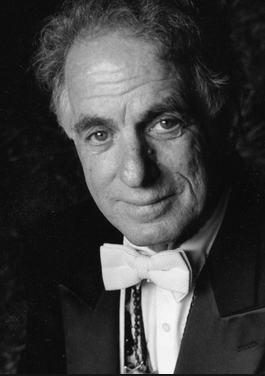
 How do you get to Carnegie Hall? It’s an old, corny joke, and here’s an alternate answer. Get the incomparable composer and ethnomusicologist David Amram to conduct. And then a world unfolds: The Concert of Solidarity for the Rohingya Refugees at Carnegie Hall this week featured an orchestra comprised of musicians from 33 countries, stellar soloists, and a chorus from Montclair State University. The orchestra performed Amram’s “Elegy for Violin and Orchestra,” and he conducted, featuring soloist Elmira Darvarova on violin. This divine performance was followed by Beethoven, “Symphony No. 9 in D minor, Op. 125” culminating in “Ode to Joy,” with George Mathew conducting. The evening was to benefit the Rohingya refugees and the important work of Doctors Without Borders. Carnegie Hall was packed for this extraordinary night of music and moving accounts from Rohingya survivors.
At 88, Amram maintains a schedule that would be daunting to men half his age, with generosity, charm, and youthful panache. Known to me in beat literary circles, Amram appears in the Robert Frank/Alfred Leslie film Pull My Daisy, from a play by Jack Kerouac. Amram composed the music for its anthem. He composed the music for Splendor in the Grass and The Manchurian Candidate, the original one with Angela Landsbury, and hundreds of songs and symphonies. Backstage at Carnegie Hall that night, well-wishers asked questions about his friendship with Kerouac, and others about his collaborations with Pete Seeger and Bob Dylan. He engaged with many American historic coteries, and performed at the Cornelia Street Café before it was shuttered last week. Owner Robin Hirsch, recounted the long ordeal involving years of landlord troubles. Just back from the Bahamas, he assured me, Cornelia Street, the iconic mecca for poets and musicians may yet have a next moment, much in the spirit of this great night. Traditions do not die.
Graphic Design: Salpeter Ventura


 gossipcentral.com
Leave a comment